
How to Create a Wildlife Pond in a Small Garden
How to site, dig, line and plant a small garden pond that gives frogs, newts and dragonflies somewhere to breed — without digging up half the lawn.
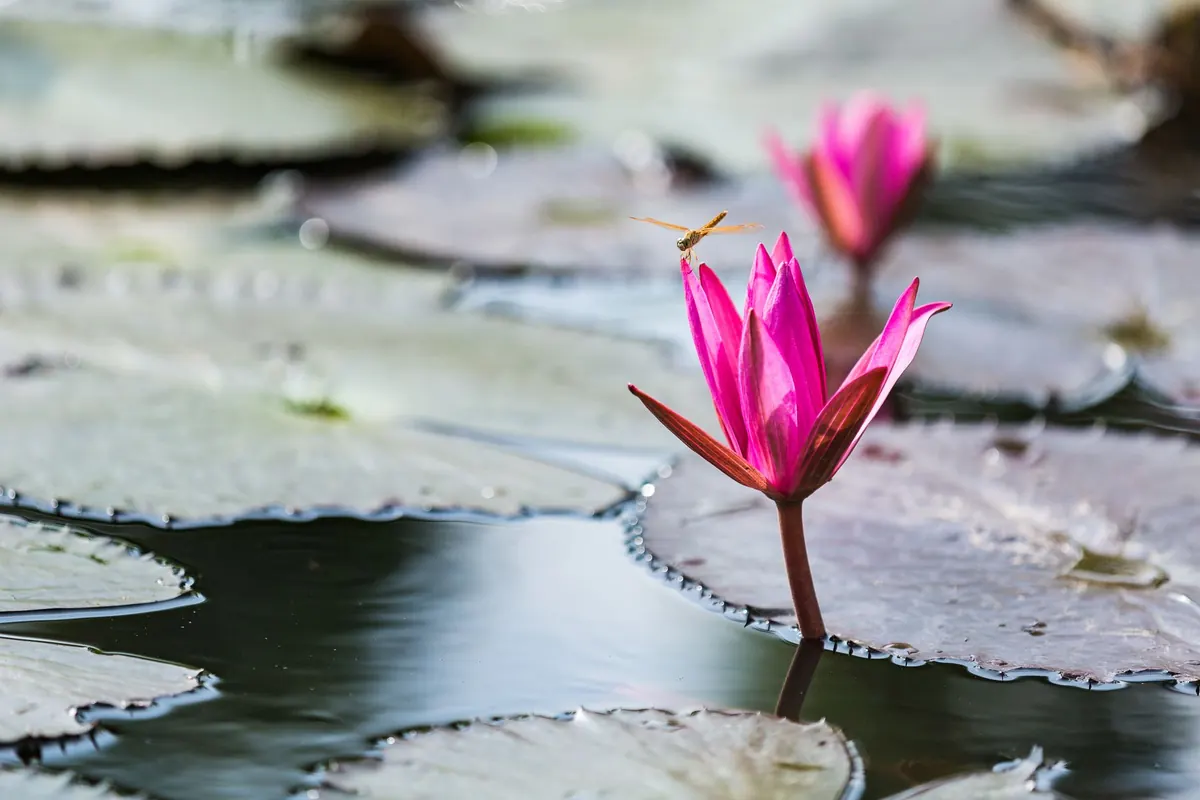
Digging a pond is one of the few garden jobs that pays back within weeks. Leave a bucket of water out for a fortnight and something will find it. Do the same thing properly — a hole, a liner, a few native plants — and you have somewhere for frogs to spawn, newts to shelter and dragonflies to hunt. It doesn't need to be big. A pond of a square metre or two holds more life than you would guess, and it will fit a courtyard, an allotment or the strip of grass beside a shed.
Where to Put a Small Pond
Water needs light. Aim for a spot that gets sun for at least half the day — that's what warms the water and gets spawn hatching — but not one that bakes from dawn to dusk, because all-day sun feeds blanketweed. A little afternoon shade is a gift.
Keep clear of trees and big shrubs. Leaves rot in the water and feed the algae, roots push at the liner, and herons appreciate a perch. Avoid the low corner where the garden floods, and anywhere that rainwater runs off a path, drive or treated decking, since you'll be importing whatever it carries.
Most of all, put the pond where you'll see it. One outside the kitchen window gets watched every morning. One behind the compost heap gets forgotten.
Size, Depth and Shape
Ignore anyone who says a small pond isn't worth doing. Depth and profile matter far more than size.
- One deeper spot: 45–60cm in part of the pond, not all of it. That's enough for frogs and newts to sit out a cold snap.
- A shallow shelf: 20–25cm deep along one side for marginal plants. This is where most of the life will be.
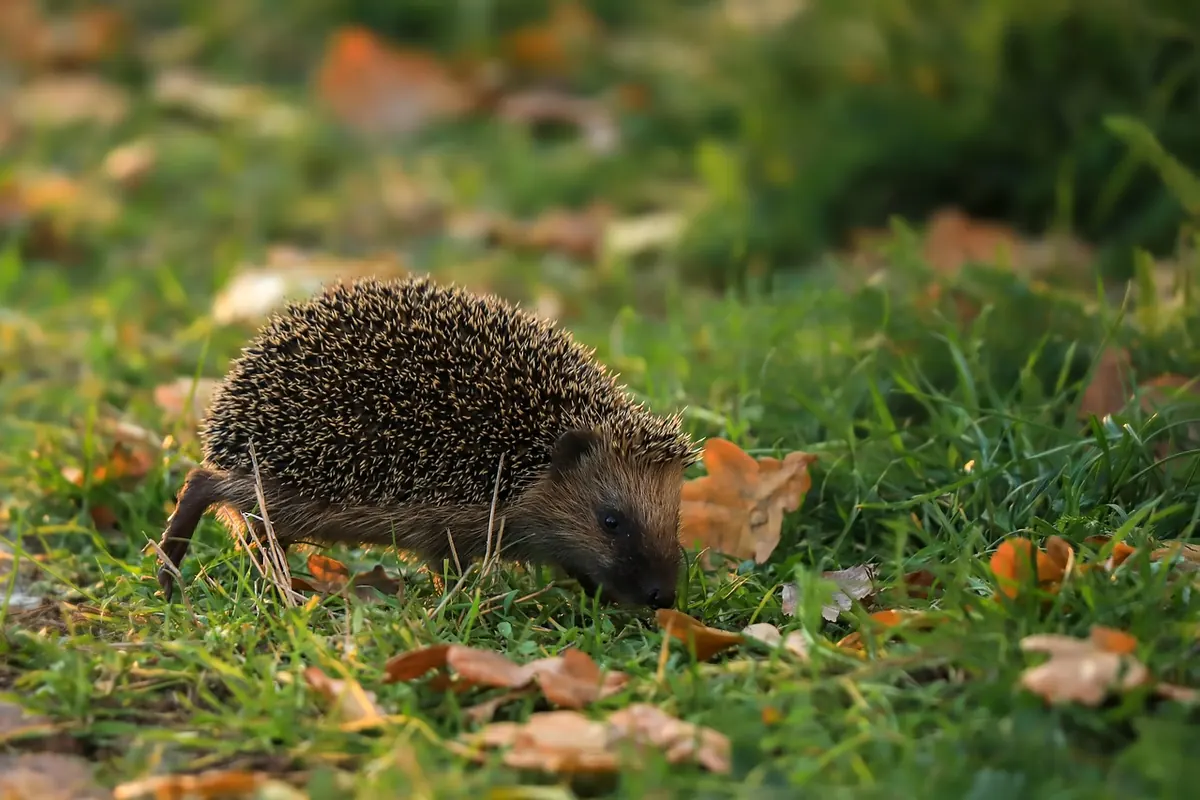
- A gentle exit: a sloping beach or ramp of stones so amphibians, hedgehogs and thirsty birds can get out. Vertical sides trap them.
- A wavy outline: irregular edges look natural and make sheltered pockets. A rectangle looks like a hole with water in it.
Mark the shape with a hosepipe or a length of rope and shuffle it about until it looks right from the house.
Digging the Hole
Pick a dry spell; wet clay is twice the weight and half the fun.
- Cut the turf around your outline and stack it grass-side down. It makes decent topsoil for the edges later.
- Dig the whole area down to the shallow shelf depth first.
- Then remove the deeper section from one side, sloping the sides rather than cutting them vertical so the liner isn't fighting gravity.
- Pick out sharp stones, glass and old roots, then cushion the hole with 2–3cm of soft sand, or reuse old carpet or underlay. This is the cheapest insurance against a puncture.
- Check the rim is level. Lay a plank across the hole with a spirit level on top. A pond 5cm out of level will show bare liner on one side.
Lining, Edging and Filling
Butyl rubber is the usual choice and lasts for years. Work out what you need as length plus twice the depth plus 60cm for the overlap, and the same for the width. Far better to have too much than too little; the offcut is useful patch material.
Lay the liner loosely in the hole, tuck it into the shelves, and run the hose in. The weight of the water does the shaping for you. Trim it once the pond is full, leaving enough to turn under the rim, then hide the edge with turf, flat stones or a gravel beach. Try not to pave right around the water — creatures need a way through.
Rainwater from a water butt is the best fill: soft, free, and low in the nutrients that feed algae. Tap water will leave the pond green for a few weeks, then it settles. Don't add anything to it.
Planting the Pond
Plants do the heavy lifting — oxygenating, shading, sheltering, and giving dragonflies a stem to climb when they emerge. Use native species where you can, and plant in baskets of aquatic compost topped with gravel so the soil stays put.
Around the edge
Marsh marigold, water forget-me-not, ragged robin and flowering rush all cope with wet roots and a dry summer. Plant them on the marginal shelf or in the damp soil at the rim.
In the water
Add a couple of oxygenators such as hornwort or water starwort, and one small water lily if there's room. Frogbit makes good floating cover.
What to avoid
Skip anything vigorous or invasive — floating pennywort, parrot's feather and water fern are all trouble. And be modest. A pond crammed with plants leaves no open water, and dragonflies want open water with a clear flight line and a few tall stems to perch on.
Making It Work for Wildlife
The most important decision is to have no fish. Even a few goldfish will clear the tadpoles, larvae and insects you're trying to attract, and they stir up the nutrients that feed algae.
Then think about access and shelter. Lean a rough piece of wood or a stack of stones from the ground into the water so hedgehogs, frogs and mice can climb out — a hedgehog that falls in and can't get out will drown. Leave a corner of long grass nearby and build a small log or stone pile in the shade, because that's where amphibians spend most of the year. Keep pesticides and fertiliser well away from the pond.
If there are toddlers about, a raised pond or a firm mesh grid sitting just below the surface removes the risk and still lets wildlife in.
Looking After It Through the Year
Small ponds need less doing than people think. Top up in dry spells with rainwater rather than tap. In late spring, twirl a stick through any blanketweed, lift it out and leave it on the edge overnight so anything caught up can crawl back. Cut back excess growth in autumn, but leave some seed heads and stems standing for insects and birds.
Never empty the pond and scrub it out. A leafy, slightly scruffy pond is a healthy one, and within a season it finds its own balance. Give it a year, watch the surface on a warm evening, and you'll see why people who dig one pond so often dig another.
Photo: Son Tung Tran / Pexels