
Understanding Public Footpaths: Your Rights and Responsibilities
Footpaths, bridleways and byways each carry different rights. Here's how to tell them apart, follow the Countryside Code and stay on good terms with landowners.
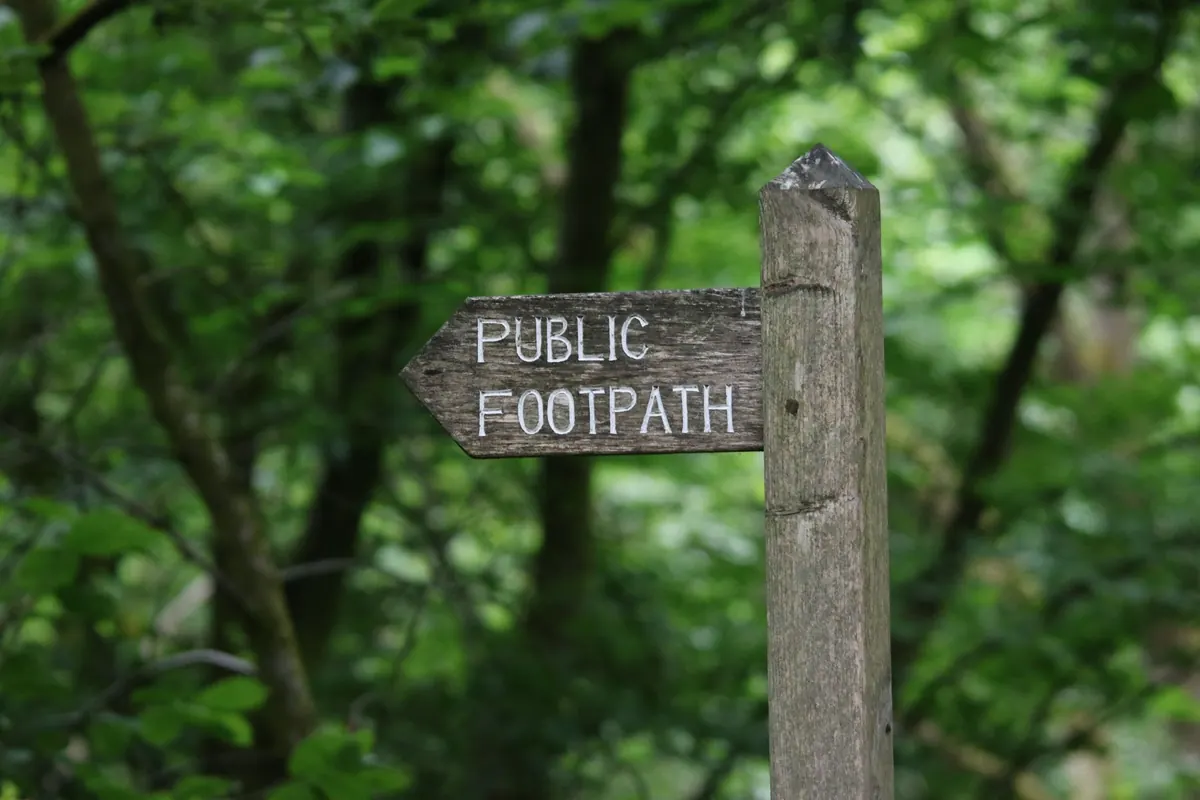
A yellow arrow on a wooden post, a stile in a hedge, a line of trodden grass crossing a field: these are the everyday signs of a right of way. The path network is one of the quietest pleasures of the British countryside, and it works because walkers, riders and farmers mostly rub along. When it goes wrong — an angry sign, a chained gate, a field of wheat planted across the line of the path — it's usually because someone isn't sure of the rules. A little knowledge on both sides of the hedge makes for a far better day out.
Footpaths, bridleways and byways: what the difference means
Not every line on the map is the same, and what you may do depends on the type of path underfoot. In England and Wales, public rights of way fall into a few recognised categories.
- Public footpath — walking only. No horses, no bicycles, no vehicles.
- Public bridleway — walking, horse riding and cycling. Cyclists should give way to walkers and riders, and slow down on blind corners.
- Restricted byway — as a bridleway, plus horse-drawn and other non-motorised transport. No cars or motorbikes.
- Byway open to all traffic — often shortened to BOAT. Vehicle rights exist, though many are rough tracks where walking makes far more sense than driving.
- Permissive path — a route the landowner allows by choice. It can be closed or diverted, and it isn't a right of way.
- Access land — open country and registered common where you may roam on foot away from paths, under different rules again.
Scotland and Northern Ireland work differently — Scotland's statutory access rights are far broader — but the principle holds everywhere: the type of path sets the rules.
The practical point is simple. Ride a horse on a bridleway and you're exactly where you should be. Cycle on a footpath and you're trespassing, and the landowner can ask you to walk.
Reading the map and the waymarks
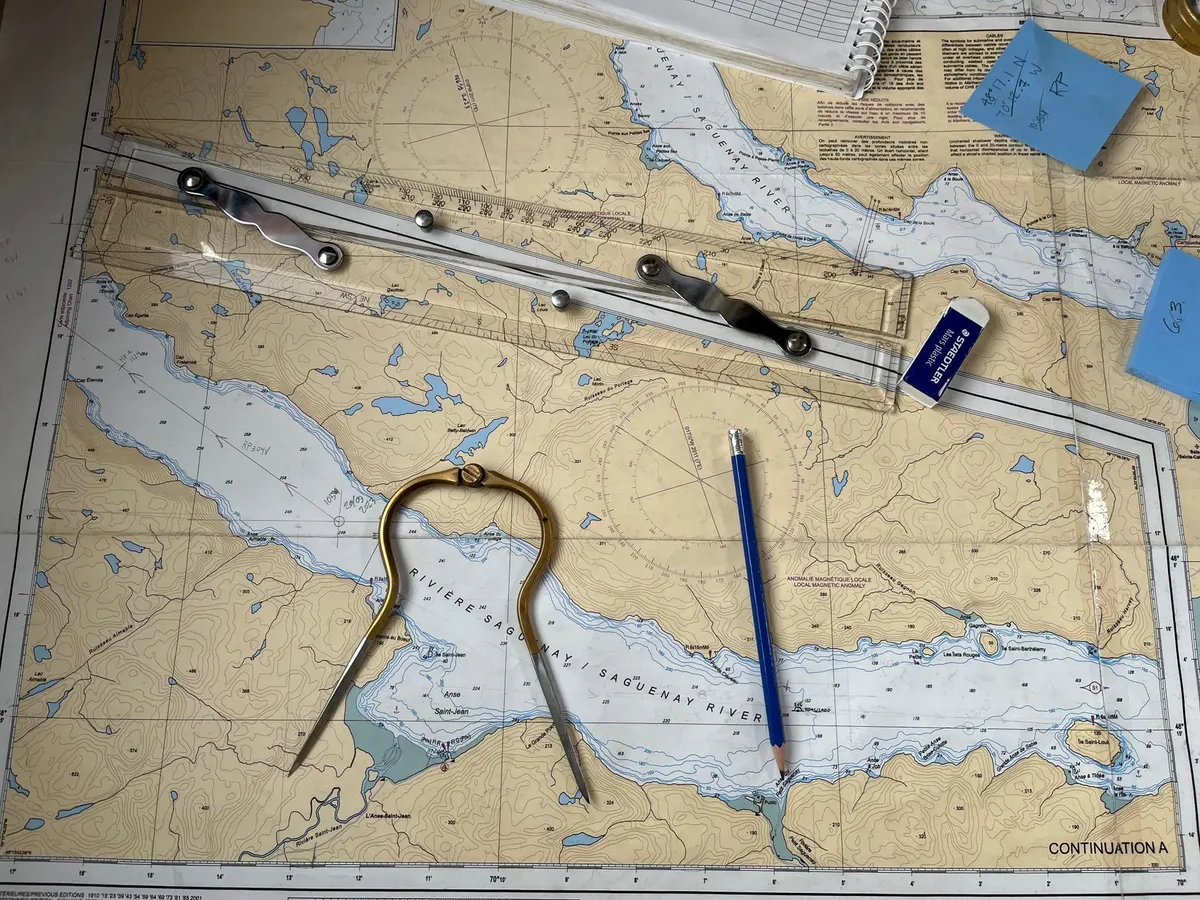
Ordnance Survey Explorer maps show rights of way in green: short dashes for footpaths, longer dashes for bridleways, cross-hatched lines for byways. Legends get redrawn over the years, so check the key on the map you're actually holding.
On the ground, waymarkers follow a colour code: yellow arrows for footpaths, blue for bridleways, red for byways open to all traffic, purple for restricted byways. An arrow points the way; a plain disc usually just confirms you're on the right line.
Paths aren't always signed at every field boundary, and a route obvious in February can vanish under nettles by July. The legal line is the one recorded on the definitive map, not the easiest one to walk. Lose it and a bearing towards the far hedge usually sorts things out.
Who is responsible for what
The highway authority — usually a county council or unitary authority — keeps the legal record of paths, known as the definitive map, and signposts routes where they leave a road. It also has a duty to keep paths open and clear, though tight budgets mean it leans heavily on parish councils and volunteers.
Landowners and occupiers have duties too. They must not obstruct a path with locked gates, electric fencing or a crop planted across it, and they're generally responsible for keeping stiles and gates in working order.
None of that means a walk has to be easy. A muddy gateway or a field of long grass isn't an obstruction. A padlocked gate across a footpath is.
The Countryside Code in practice
The Code comes down to three ideas: respect everyone, protect the environment, enjoy the outdoors. Day to day, that means:
- Leave gates as you find them — open if open, closed if closed.
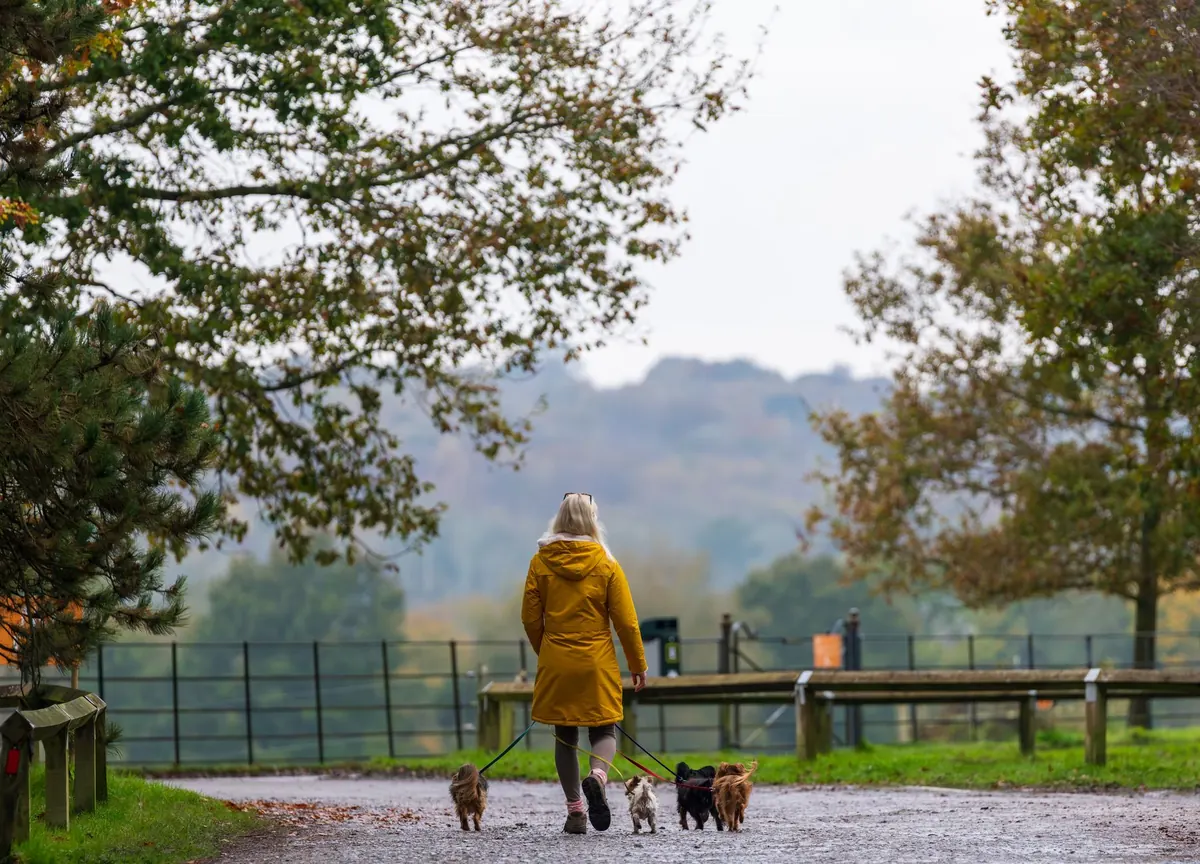
- Keep dogs under effective control, and put the lead on around livestock and ground-nesting birds.
- Take litter home, including fruit peel that nobody wants to find in a hedge.
- Stay on the path across farmland, using gates and stiles rather than gaps in hedges.
- Leave machinery, crops, livestock and wild flowers alone.
- Say hello. A nod to the person whose field you're crossing goes further than you'd expect.
Dogs, livestock and the tricky bits
Two situations cause most of the friction on a country walk.
Dogs and farm animals
Put the dog on a lead near livestock, and expect to be asked even if you're certain it's harmless — the farmer is the one counting the losses. If cattle come towards you, the usual advice is to let the dog off the lead, walk calmly away and don't run.
Gates, stiles and walls
Close what you open and don't create new gaps. If a gate is wired shut or a stile blocked, that's an obstruction rather than a hint. Where a path is genuinely impassable, you may step off the line to get around it — but only on the same land, and only as far as you need.
Parking, crops and field edges
Park so you leave room for tractors, milk tankers, gateways and passing places. A car left across a field entrance can hold up a farmer for an hour, and a narrow lane with no verge can't take a second vehicle.
In a field of growing crops the path should still be walkable; if it isn't, report it rather than trampling a wide new route. Keep to the line, and in a field of young stock keep to the edge and keep moving.
When something isn't right
Most problems are sorted with a phone call. If a path is blocked, overgrown, unsigned or fenced off, note the grid reference, take a photograph and send it to the rights of way team at the highway authority. Parish councils usually know who to nudge.
What not to do is take it out on the nearest person in wellies. Stiles fall down, hedge flails knock signposts sideways, and a contractor may have cut a path by mistake.
Sometimes a closure is entirely legitimate — building work, a dangerous tree — and it should be advertised on site. If there's no notice and no obvious reason, ask before you assume. Rights of way law is fiddly, so if a dispute genuinely affects you, take advice from the highway authority or a solicitor rather than an internet forum.
Before you set off
Ten minutes of preparation saves a lot of soggy irritation. Check the route on a current map, look for temporary closures on the council website, and work out where the path leaves the road so you don't start on the wrong side of a hedge.
Take water, decent footwear and a waterproof. Tell someone where you're going and roughly when you'll be back, charge your phone, and save your parking spot as a pin before you lose signal.
Then enjoy it. That scruffy gap in the hedge, with its yellow arrow and its nettles, is a small inheritance kept open by generations of people who shut the gate behind them. Walk it properly and it'll be there for whoever comes next.
Photo: Tom Vaughan / Pexels